
By Juan M. Egea
I finished fifth at the French IOM Nationals with my Alioth V4. Racing against sailors like Alexis Carré and Olivier Cohen was a great chance to sharpen my skills, especially in the strong winds on the final day.
Les Sables d’Olonne: A Special Place for Sailing
Les Sables d’Olonne, on the French Atlantic coast, turned out to be a wonderful place to spend four days racing IOM boats.
The championship was hosted at the Institut Sports Océan, a nautical sports centre located just a few metres from the Atlantic Ocean. The surroundings were particularly attractive, with surfers enjoying the waves, windsurfers and plenty of nautical activity.
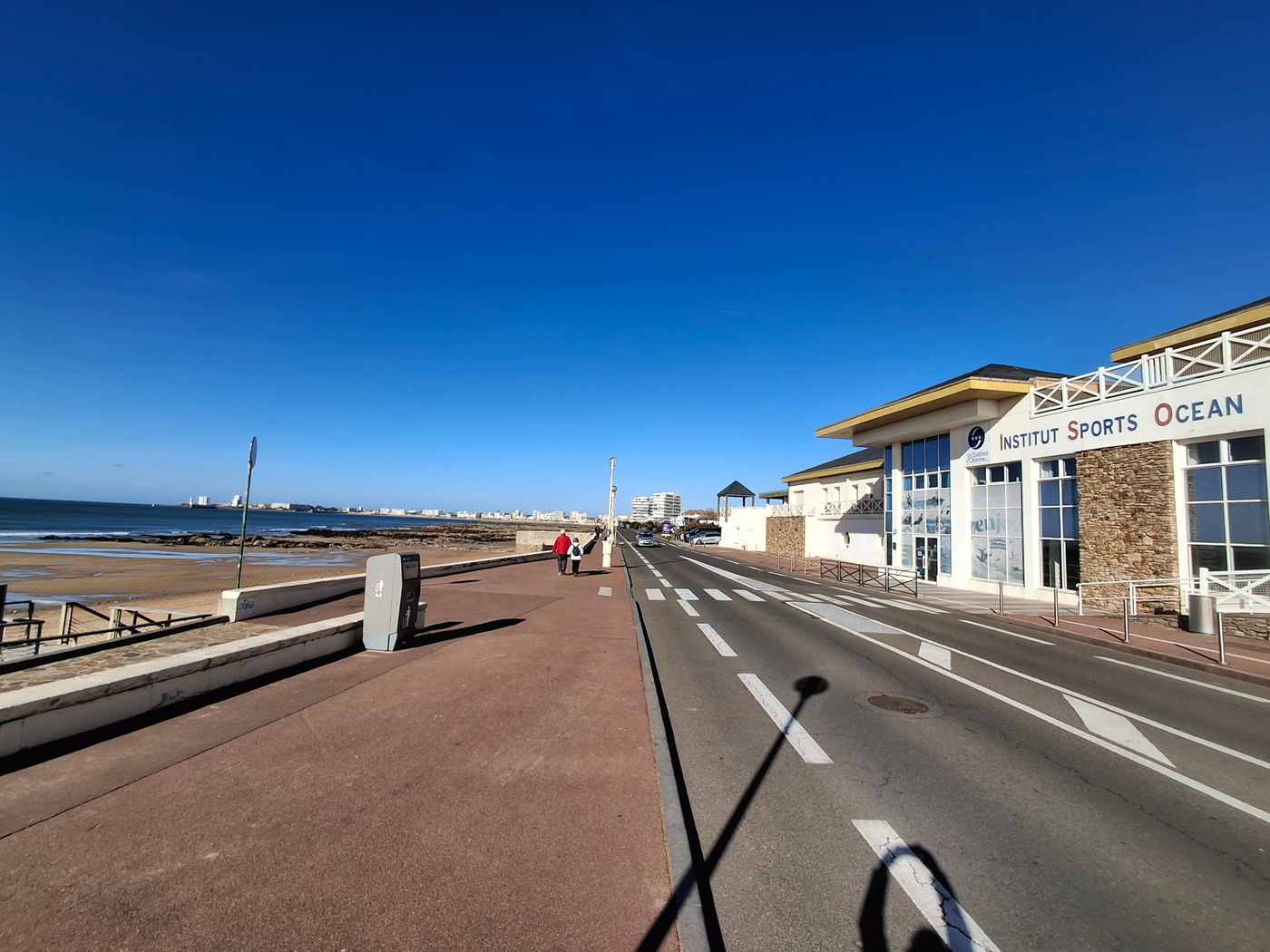
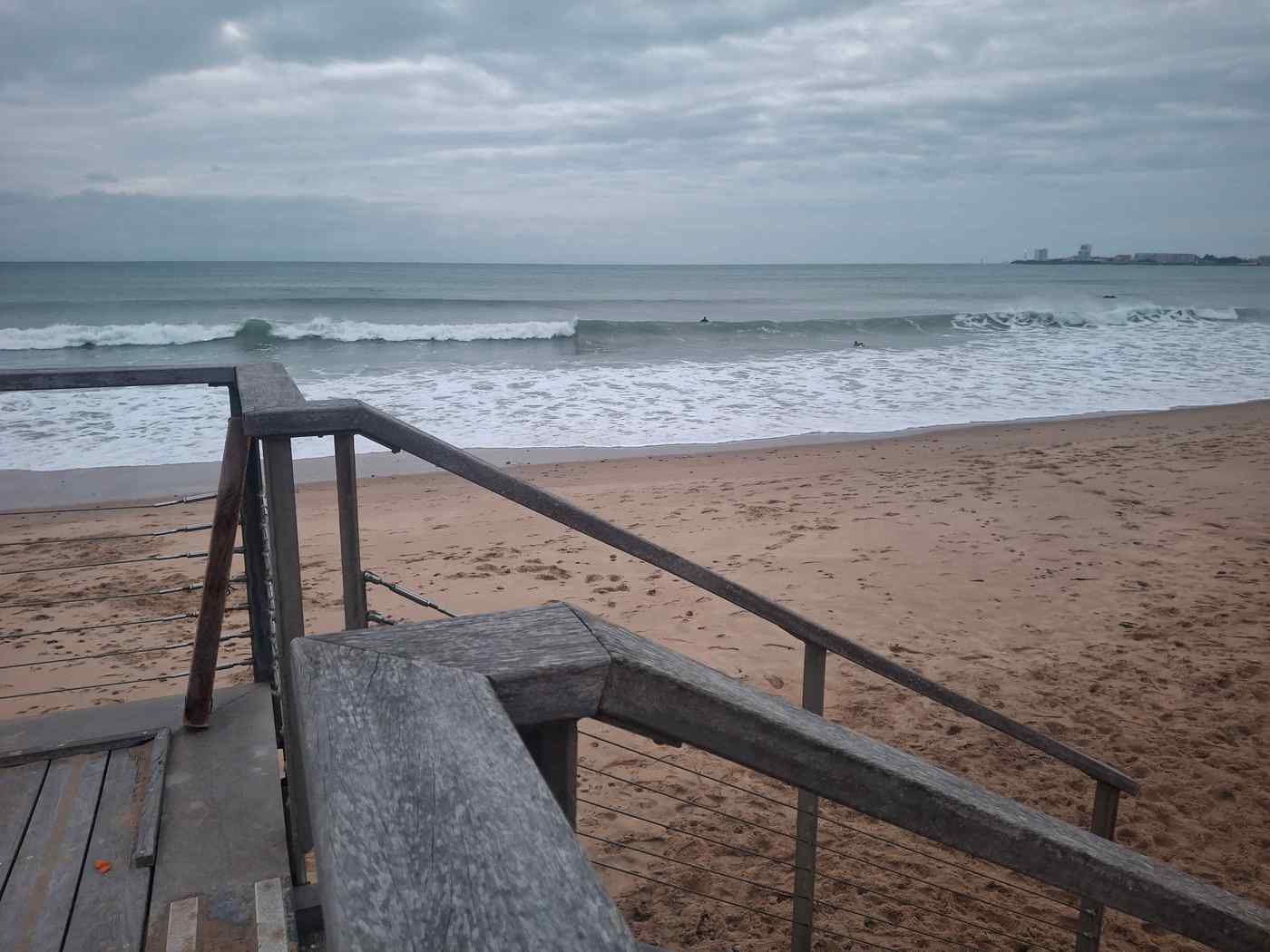
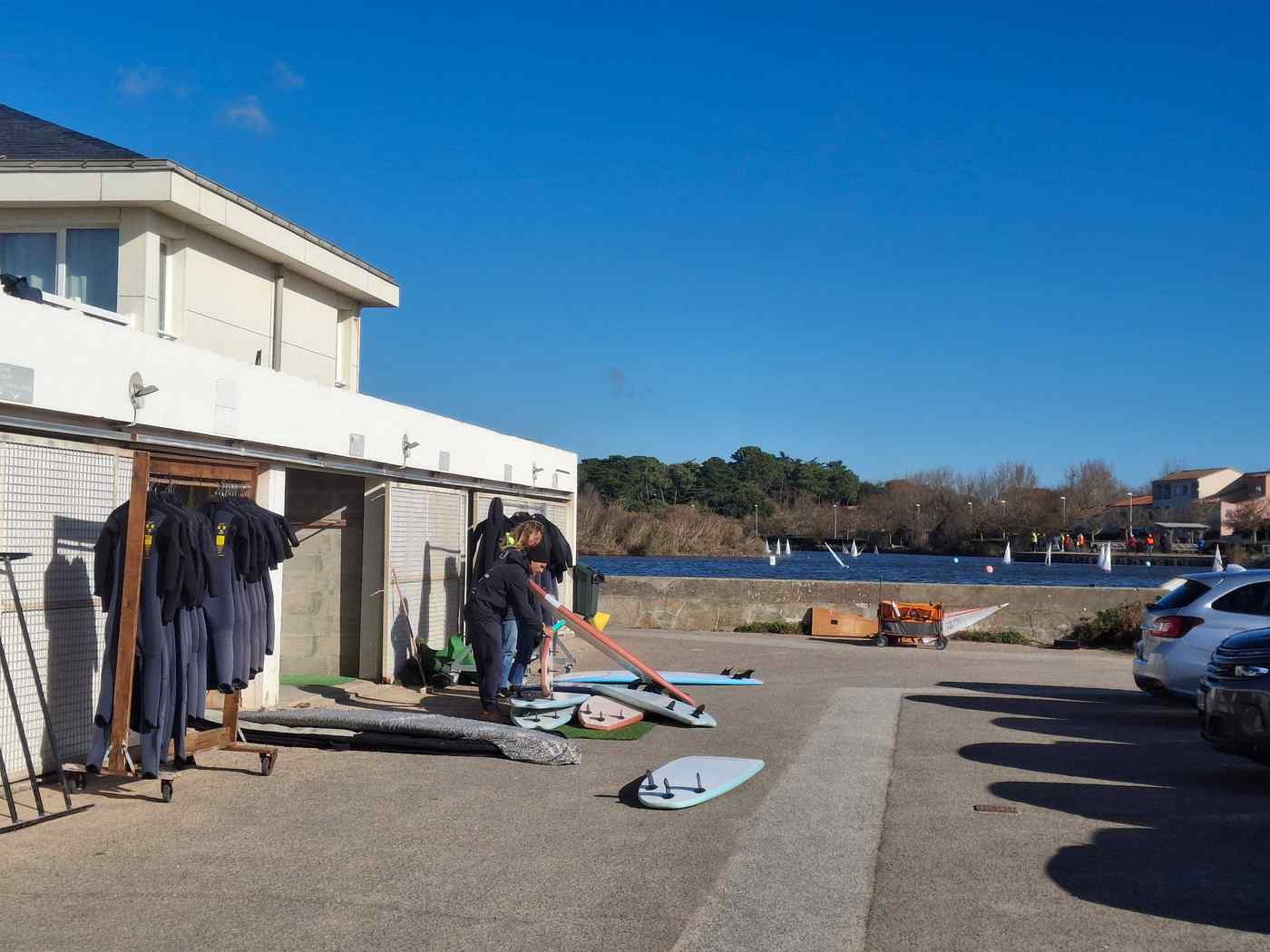
The racing lake was located immediately behind the sports facilities. It was an interesting contrast: Atlantic waves and surfers on one side, and the relatively sheltered waters of the lake on the other.
Outside the championship, we also had the opportunity to enjoy the town and its small traditional French restaurants, with good food and polite, attentive service.
Arrival and Measurement
We arrived on Wednesday afternoon, the day before racing began. It was our first opportunity to explore the venue, see the racing area and complete the measurement procedures.
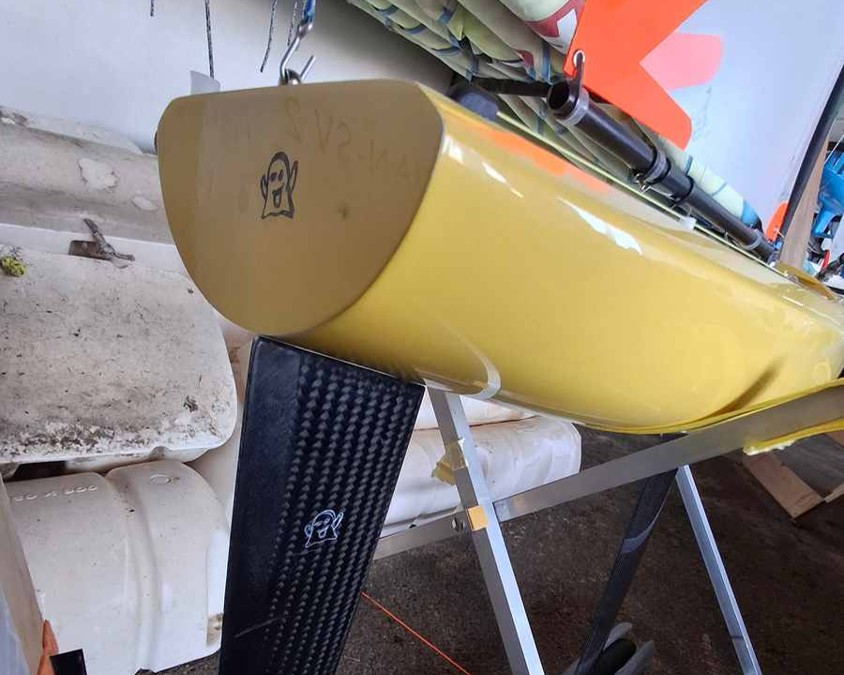
The boats underwent measurement checks before racing, with control stamps applied to the hull, appendages and sails.
One of the aspects that impressed me most was the organisation. The race committee and jury were clearly experienced, professional and confident in their decisions, while maintaining a friendly and welcoming atmosphere throughout the championship.
Four Days of Racing
The level of competition was exceptionally high. Among the participants were Alexis Carré, the current IOM World Champion, and Olivier Cohen, the 2022 World Champion in Croatia, who went on to win this French National Championship. There were also many other excellent sailors, some of whom I had never raced against before.
The wind was generally shifty and gusty, making it easy to get caught up in unnecessary tacks.
Because of the wind direction during the championship, we raced on the smaller, narrower side of the lake. That part of the lake was itself divided into two areas connected by a narrow passage about 15 metres wide. Sailing through it was both unusual and fun!
Talking with another competitor, we agreed that the start and the first windward leg were crucial. The fleet often split into a leading group of around five boats and everyone else. Once you were in the leading group, it was relatively easy to stay there. But in the chasing group, things could get quite chaotic, with positions changing dramatically in a very short time.
On the third day, the course was set entirely within one of the two areas, avoiding the narrow passage. We completed fewer races that day, as the wind gradually dropped until it disappeared in the early afternoon.
The final day was my favourite. We had strong winds, starting with the B rig and later changing to the C rig. Although there were still wind shifts, the conditions were more stable than on the previous days for me.
During one race on the final day, I had to take two penalties for port-starboard incidents. It wasn’t a visibility problem; the boats were close enough to see clearly. It was more a question of judgement and not being used to sailing in these conditions.
In the first incident, I tacked onto port and almost immediately found myself approaching a starboard-tack boat. I thought I had enough room to cross ahead, but by the time I realised I didn’t, it was too late. Everything happened very quickly.
The second incident was quite similar. Remembering what had happened earlier, this time I decided to tack to avoid the other boat. But again, I reacted too late, and the starboard-tack boat was already upon me as I was completing my tack.
A couple of crossings with Alexis and Romain showed me just how much earlier they made these decisions.
In the following video, you can see my yellow boat sailing on starboard tack. Alexis tacks onto port and almost immediately decides to pass behind my stern. Romain then does exactly the same.
What struck me was just how early they made those decisions. It was a good lesson in how much anticipation is needed when sailing at those speeds.
I should also mention that Alexis and Romain are not only exceptional sailors, but also very considerate on the water. In fact, I think this is generally true of the French fleet.
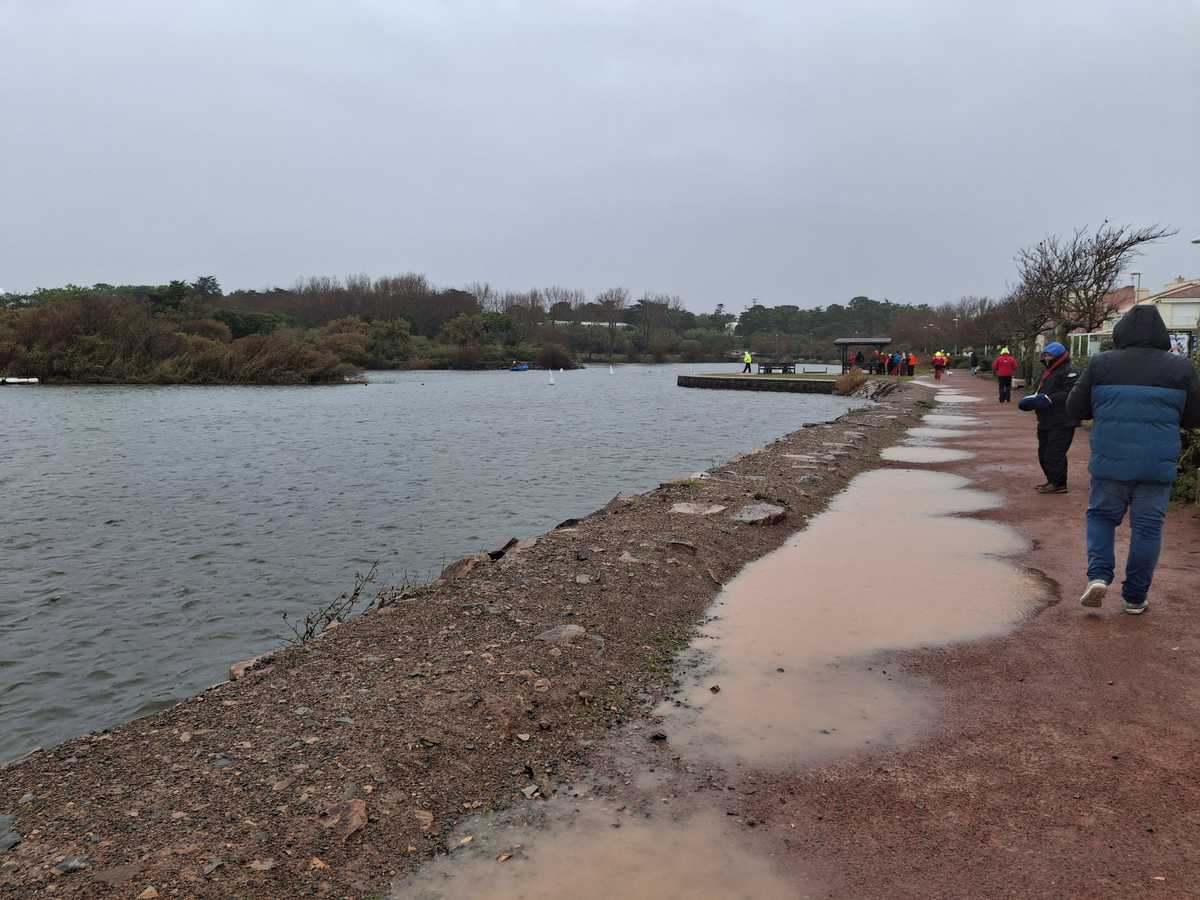
The weather was generally cold, particularly on the first and last days. The final day also brought heavy rain, leaving large puddles along the lakeside control area.
I finished 5th overall, a result I am happy with considering the level of competition.
View the full results on FFVoile
My Boat
I sailed my 3D-printed Alioth V4 throughout the championship without any technical problems, and I am very happy with both the boat’s performance and my own sailing.
I am particularly pleased with the RC Sailing Lab rigs, used exactly as supplied, without any special modifications.
I have now sailed with them in different racing conditions: the B rig in strong winds at Almería, the A rig in light winds at Madrid, and all three rigs at Les Sables d’Olonne.
Beyond their performance, I particularly appreciate their precise assembly, simplicity and reliability. After competing in such different conditions, I am increasingly confident in their robustness.
Rule 31 – Touching Marks
One interesting aspect of the championship was that we were allowed to touch any mark except the starting and finishing marks. That was a pleasant surprise, as we’ve been allowed to touch all marks in Spain for quite some time, including the starting and finishing marks.
The marks were large and spherical, except for the starting marks, which were slightly smaller and cylindrical.
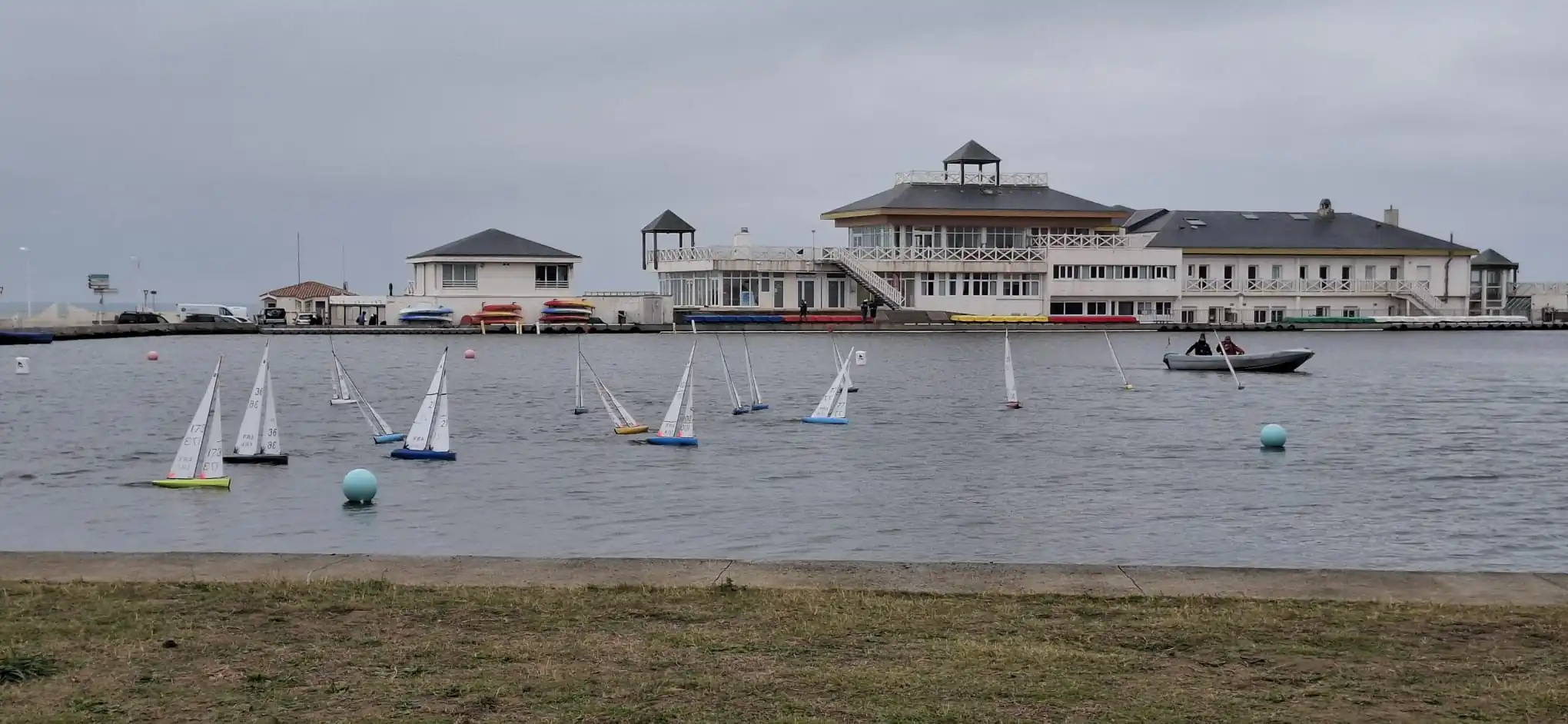
I saw several boats lose quite a bit of speed when they hit a mark. That loss of speed was a disadvantage in itself.
I don’t remember touching a windward or leeward mark, but I did touch a finishing mark in one race. By the time I’d sailed back across the line, completed my 360° penalty turn and crossed the line again, I’d lost around ten places. 😅
It was interesting to race under a slightly different rule in France from the one we use in Spain. I know that sailors around the world have different views on whether touching marks should be allowed.
Thank You, France!
A big thank you to everyone who made us feel so welcome.
Great racing, excellent sailors and a wonderful atmosphere.
Juan M. Egea – ESP 190